The use of 3D printing in film digitisation
Scanning a Non-Standard Gauge
Digitizing 8.75mm film requires a workflow that differs from those used for most standard formats. Motion picture scanners currently on the market are mostly designed to digitize 35mm, 16mm, Super 8, and Regular 8 formats. For 8.75mm, 3.2 mm, 28mm, and others, falling outside the range of formats commonly processed in both private labs and smaller archives.
It is difficult to purchase equipment tailored specifically for rare formats and formats with few precedents in digitization. This applies to the current scanner market, where 8.75 mm scanners, along with some other rarely used formats, are quite hard to find. Moreover, the 8.75 mm film was rarely seen outside of China. When we consulted staff from the China Film Archive, we found that they were unfamiliar with the format themselves, which is quite interesting, as their facility possesses thousands of Chinese film prints. The absence of information on this topic is important as well, as it shows that working with 8.75 mm is not only a technological issue but also an archival one. Some questions asked why attention is paid to this format, while China possesses large amounts of material in other formats, such as 35mm and 16mm. Our response is simple: it is important because this format is worth studying as is, since our goal includes learning about the process by which these films circulated and were projected, and the technical needs this format met in its own time.
Our suggested workflow offers a slightly different solution: a modification of a readily available scanner, accomplished through 3D printing and customization. Rather than trying to build a whole new machine for rare film gauges, this workflow focuses on building on existing systems and developing new techniques for testing and calibration. Not only will it help us digitize the chosen format, but it will also provide a prototype for future development of other rarely studied film gauges.
Existing Scanning Equipment and Its Limits
Our digitization process began with an existing scanner platform rather than a purpose-built 8.75mm machine. This reflects a common reality in archival practice: special-format projects often need to work within the limits of available equipment.
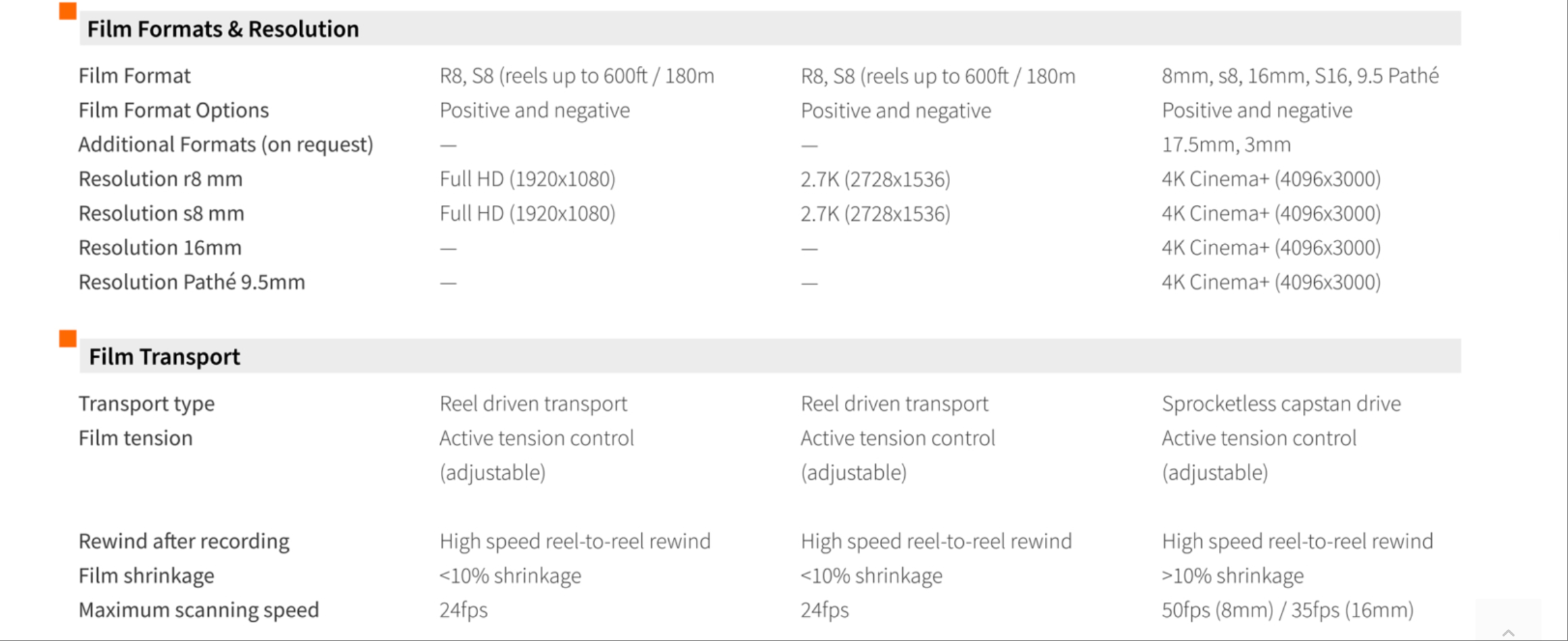
Figure 1. FilmFabriek scanner specifications. Source: FilmFabriek, “FilmFabriek Specs”.
The scanner transport and image system can support high-quality capture, but the gate area was not originally designed for 8.75mm film. Without proper support, a rare-gauge film may not sit steadily in the transport path, and image framing can become unstable. This makes custom adaptation necessary.
Designing a Custom Gate Solution
To address this problem, we developed a set of custom 3D-modeled parts to stabilize and guide the film during scanning. The design process focused on simplicity, affordability, and repeatability. Instead of reengineering the scanner as a whole, we designed small modular parts that could be produced locally and adjusted through testing.
The first step was digital modeling.
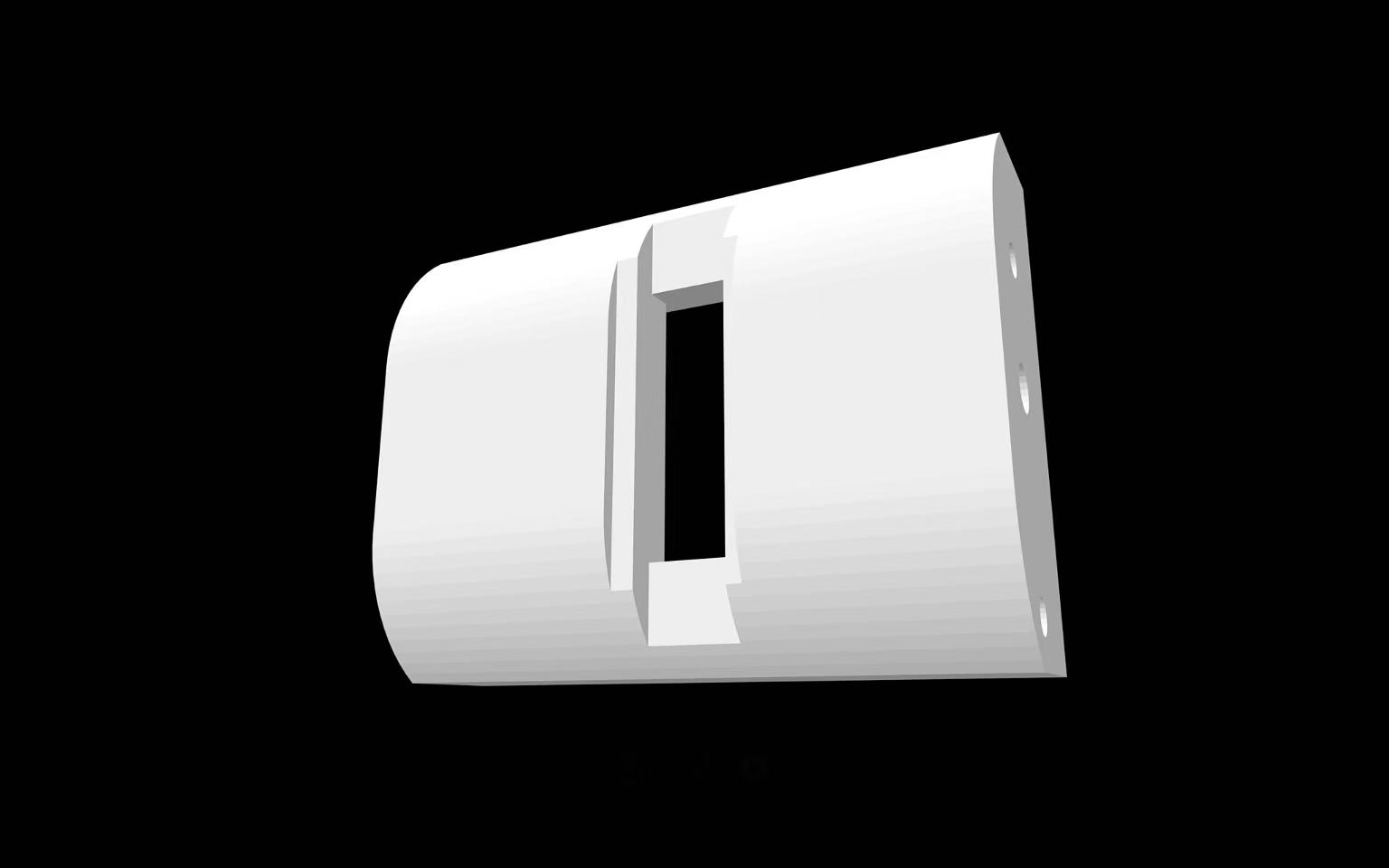
Figure 2: custom gate model
The gate design was developed as a custom component shaped for the dimensions and transport needs of 8.75mm film. Because the format is unusual, this stage required repeated observation, measurement, and revision. The design had to balance support, alignment, and ease of installation.
Additional small guiding components were also modeled to help stabilize the film path and improve consistency during scanning.
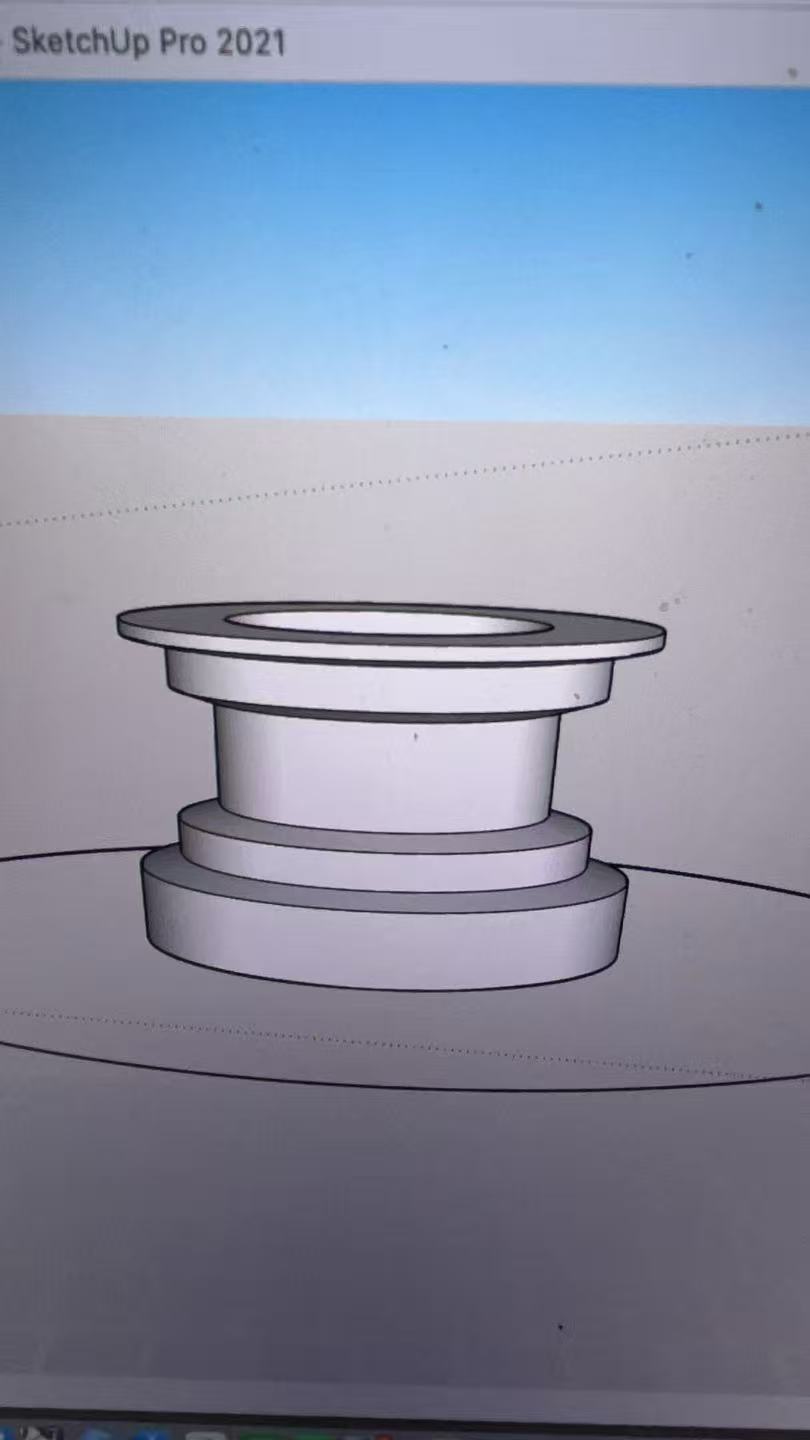
Figure 3: 3D printing roll 1
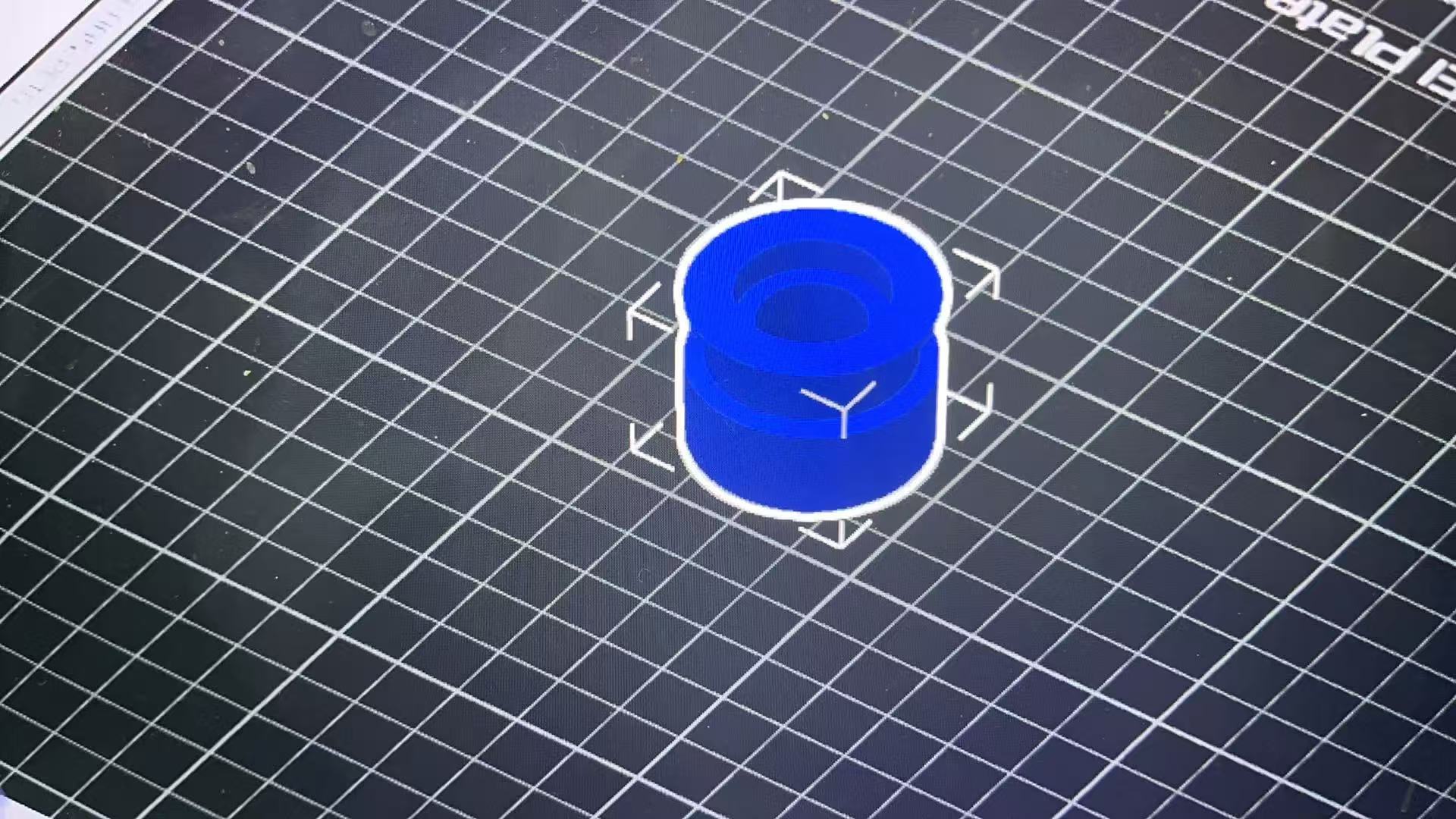
Figure 4: 3D printing roll 2
These parts are modest in scale, but they are important to the overall workflow. In rare-gauge digitization, success often depends less on large machines than on small interfaces: the points where the film actually touches, passes through, or is held in place.
3D Printing and Testing
After modeling, the parts were fabricated through 3D printing.
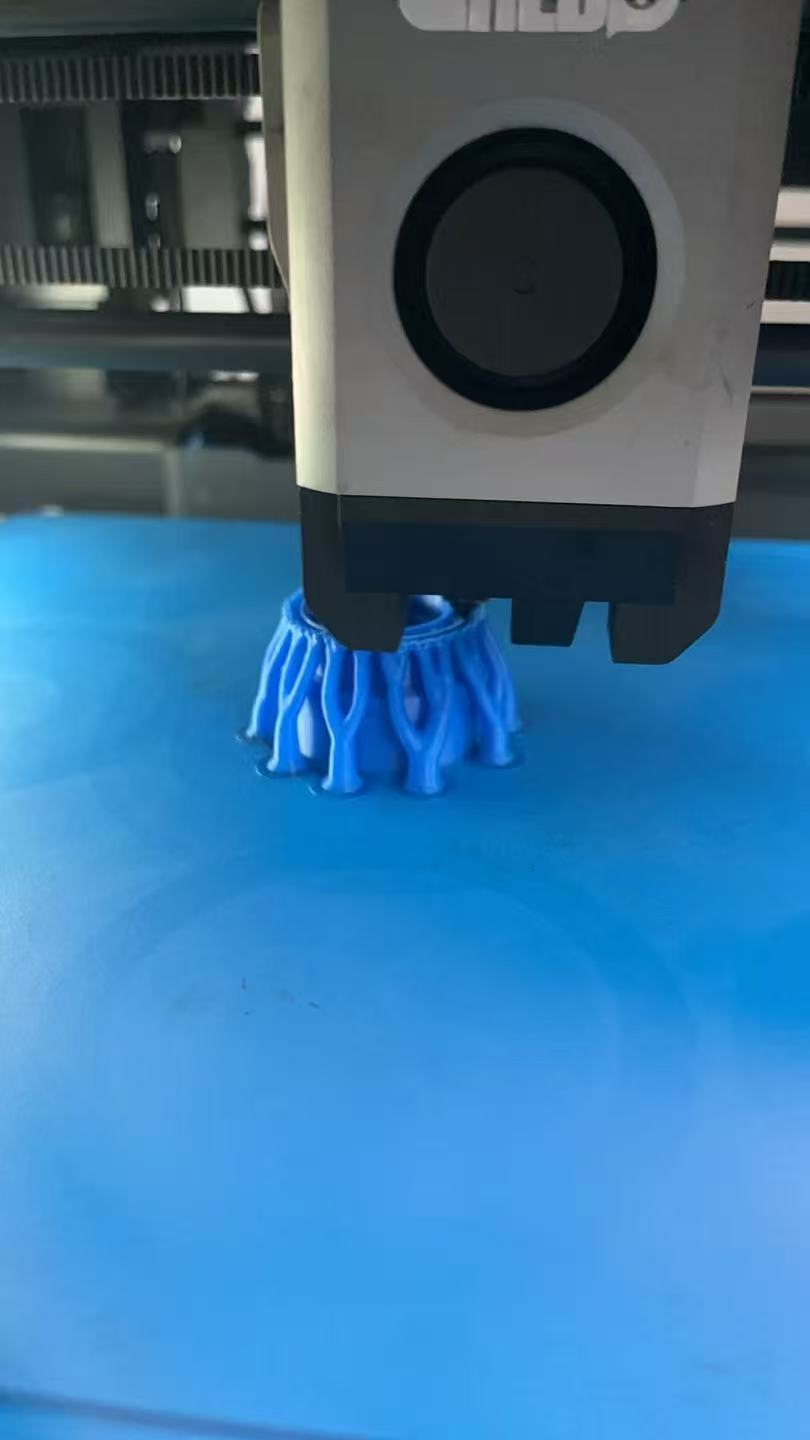
Figure 5: 3D printing process
3D printing made it possible to move quickly between design and physical testing. This was especially useful because the workflow required trial and adjustment rather than a single fixed solution. A printed prototype could be evaluated, modified, and reprinted at relatively low cost. For under-supported formats, this flexibility is crucial.
The printed parts were then tested in relation to the scanner path and film handling needs. Rather than aiming immediately for an ideal final form, the process relied on incremental refinement: designing, printing, fitting, observing, and adjusting.
A Scalable Method for Rare Formats
This workflow should be understood not only as a technical solution for 8.75mm, but also as a possible model for other under-supported gauges. Film preservation history includes many formats beyond the mainstream standards, yet digitization infrastructure often reflects only the most widely used gauges. For small archives and laboratories, a low-cost adaptive workflow may offer a more realistic path than purchasing new equipment or commissioning specialized industrial parts.
In this sense, the use of 3D-printed gate elements is not only a practical workaround. It is also a way of expanding access to preservation tools for rare and marginalized formats. If 8.75mm can be scanned through careful adaptation of existing equipment, then other non-standard gauges may also become more accessible to local institutions, researchers, and preservation projects.
Significance
Because 8.75mm is so rarely scanned, this workflow also has documentary value. It records a process of technical experimentation around a format that remains largely absent from international digitization practice. The importance of this work lies not only in the resulting digital file, but also in the method itself: a small-scale, collaborative, and materially grounded approach to preserving a format that has long existed outside mainstream scanning standards.
Acknowledgements
This workflow was developed with technical support and collaboration from DDredfilm Lab. We are grateful for their assistance in testing, fabrication, and problem-solving throughout the digitization process.